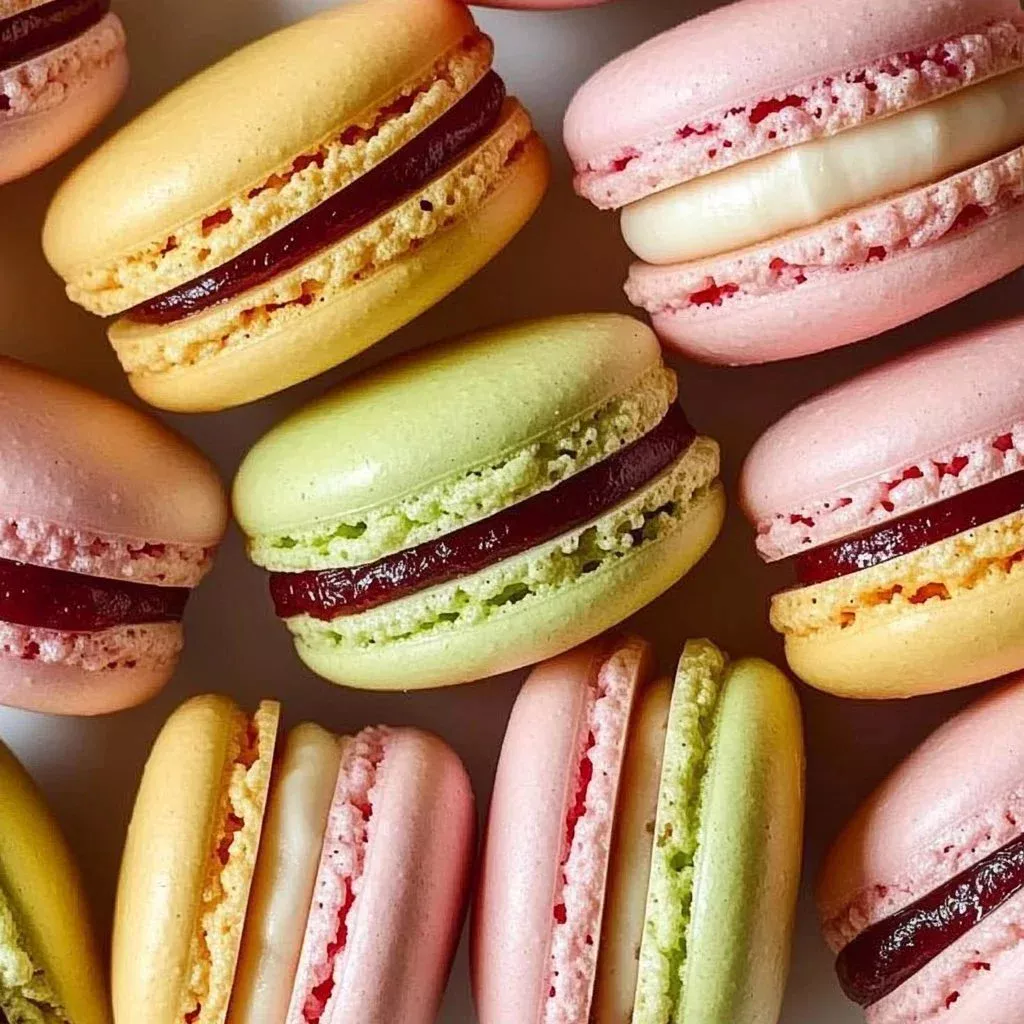
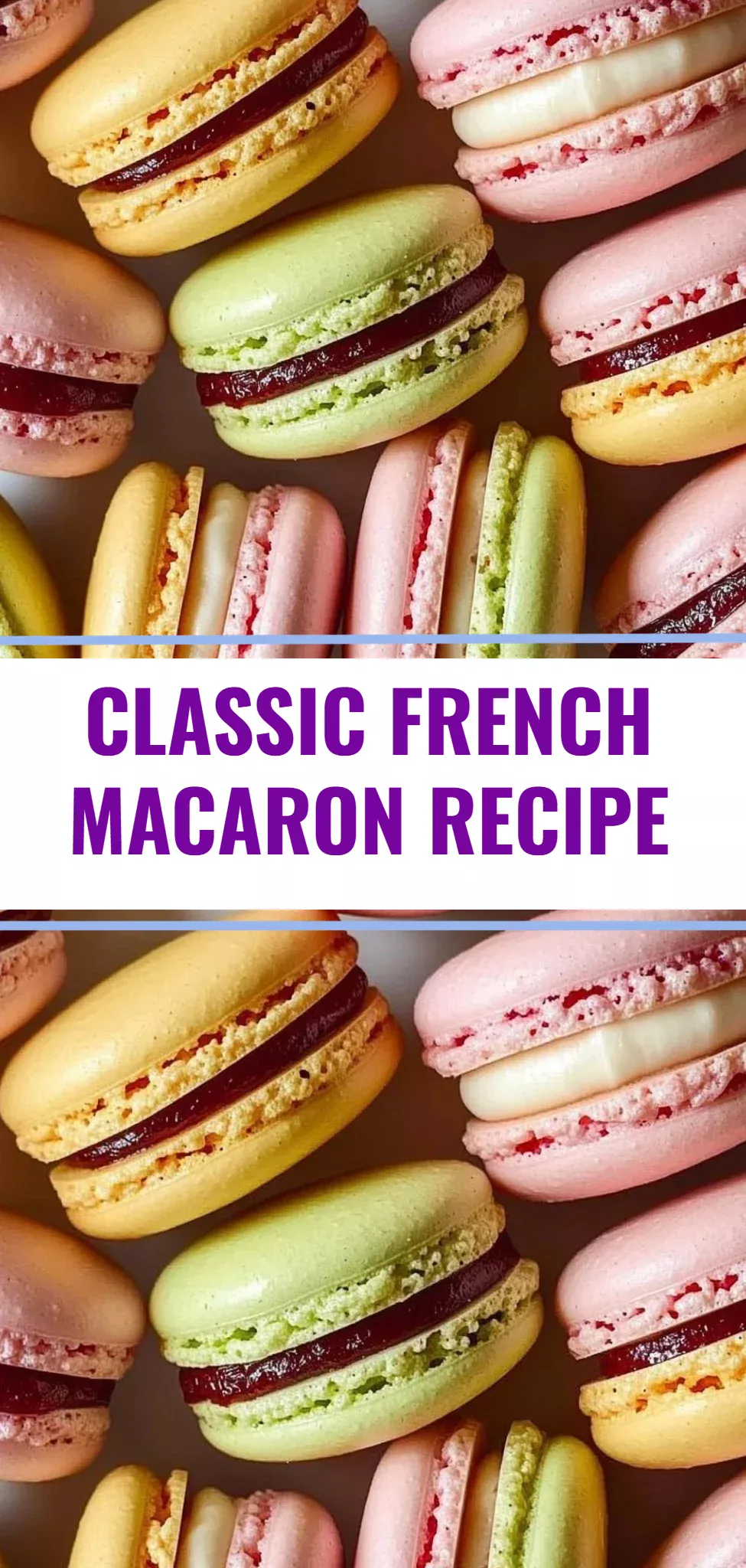
French Macarons Recipe is a delightful journey into the world of exquisite pastries. These delicate, colorful confections are a feast for the eyes and a delight for the taste buds. With their crisp shells and creamy centers, French macarons have earned their place as a beloved treat in both homes and patisseries around the globe. The experience of making these fanciful delights is not just about the end product; it is a step-by-step journey filled with joy, creativity, and perhaps a bit of nostalgia. Whether you are preparing for a special occasion or simply indulging in a sweet treat at home, mastering the French macaron is absolutely worth the effort.
Ingredients
To make these fabulous French macarons, you’ll need the following ingredients that contribute to their unique texture and flavor:
- 1 1/4 cups (120 g) superfine almond flour: This nutty flour gives the macarons their characteristic crunch and subtle sweetness.
- 1 cup (115 g) confectioners’ sugar: This fine sugar melts perfectly into the batter, creating a smooth and glossy surface.
- 3 large egg whites (100 g): Essential for achieving that classic lightweight texture, egg whites provide the structure.
- 1/4 tsp cream of tartar: A stabilizing agent that helps the egg whites maintain their peaks.
- 1/2 cup (100 g) granulated sugar: Adds sweetness and strength to the egg whites while whipping.
- 8 drops pink food coloring: This optional addition gives the macarons a charming hue, perfect for special occasions.
- 9 Tbsp raspberry preserves: Bursting with juicy flavor, these preserves serve as a delectable filling that pairs beautifully with the almond shells.
Each component of this recipe not only contributes to the taste but also plays a vital role in the delightful texture and appearance we cherish in macarons.
Step-by-Step Directions
Preparation: Start by lining 2 large baking sheets with parchment paper. This will prevent the macarons from sticking and ensure they bake evenly.
Sift Dry Ingredients: In a large mixing bowl, sift together the almond flour and confectioners’ sugar. This helps break up clumps and creates a fine mixture for the macaron shells.
Beat the Egg Whites: In a stand mixer, beat the egg whites with the cream of tartar until they become frothy.
Add Granulated Sugar: Gradually incorporate the granulated sugar while continuing to beat. You want to whip it until stiff peaks form and the mixture turns glossy.
Fold in Dry Ingredients: Gently fold in half of the dry ingredients first, then the remaining half, along with the pink food coloring. This technique keeps the mixture airy and light.
Pipe the Batter: Transfer the macaron batter into a piping bag fitted with a round tip. Pipe 1-inch circles onto the parchment-lined baking sheets, leaving space between them.
Release Air: Bang the trays gently against the countertop to release any air pockets that may have formed. This step ensures smooth, even shells.
Drying Time: Let the piped batter rest at room temperature until the tops are dry to the touch. This can take about 30-60 minutes and is crucial for achieving that perfect macaron foot.
Bake: Preheat your oven to 325°F (163°C). Bake the macarons for 10-12 minutes, until they are firm and can be easily lifted off the parchment.
Cooling and Filling: Once baked, let the macarons cool completely on the trays. Once cooled, spread raspberry preserves on half of the shells, and top with the remaining shells to create delicious sandwiches.
Tips & Tricks
To enhance your macaron-making experience, consider these handy tips:
- Choose the Right Age for Eggs: Ideally, use aged egg whites, as they whip better and produce more stable peaks. Separate and leave them out for a day or two before using.
- Use an Oven Thermometer: Ovens can often be off by several degrees. Using an oven thermometer ensures your macarons bake at the correct temperature.
- Experiment with Flavorings: Feel free to swap raspberry preserves for other flavors like lemon curd, salted caramel, or chocolate ganache for a delicious twist.
Serving Suggestions & Pairings
French macarons are perfect for a myriad of occasions:
- Serve them at elegant tea parties, birthday celebrations, or even as a treat after dinner.
- Pair these delicate treats with a cup of Earl Grey tea or a glass of champagne to elevate your dessert experience.
- Consider presenting macarons in a beautiful box, making them a charming gift for loved ones or special occasions.
Nutritional Information
Each macaron is a delightful little indulgence, with approximately:
- Calories: 70-90 calories per macaron, depending on the filling.
- Fat: 3-4 grams
- Carbohydrates: 9-10 grams
- Protein: 1-2 grams
Keep in mind that moderation is key; enjoy these treats as part of a balanced diet.
Storing Tips & Variations
To ensure your macarons remain fresh and delicious:
- Storage: Store the filled macarons in an airtight container in the refrigerator for up to a week. The flavors meld beautifully after a day or two.
- Freezing: Macarons freeze well. Place them in a single layer in a freezer-safe container and separate layers with parchment paper. They can be stored for up to 2 months.
- Variations: Try different nut flours, such as pistachio or hazelnut, and experiment with various fillings like fruit jams, buttercream, and even ice cream for a creative twist.
Conclusion
Now that you have explored the delightful French Macarons Recipe, it’s time to put your skills to the test. These elegant pastries are not only a treat for the palate but also a joy to craft. Don’t hesitate to share your experiences or variations with friends and family. The world of macarons is vast and inviting, waiting for your unique twist to shine through!
FAQs
Why do my macarons crack?
Cracked macarons are often the result of inadequate drying time or high oven temperature. Make sure the tops are dry to touch before baking and check your oven thermometer.How do I achieve that perfect macaron foot?
The macaron foot forms during baking due to the proper folding technique and resting period before baking. Always allow the piped batter to rest until dry to the touch.Can I substitute almond flour in macarons?
While almond flour is essential for traditional macarons, you can try using other nut flours like hazelnut or even sunflower seed flour for a nut-free version.What are some common mistakes when making macarons?
Common mistakes include not sifting the dry ingredients, overmixing the batter, or not allowing adequate resting time before baking. Following each step carefully will help ensure success.Can I make macarons without a stand mixer?
Yes! A hand mixer can work in a pinch, but be prepared for a bit more effort when whipping the egg whites. The key is achieving stiff peaks, so take your time!
Dive into the enchanting world of French macarons and delight in the process of creating these stunning sweets!